
Key Takeaways
- IMF tokenization improves finance by digitizing assets, enabling faster transactions and fractional ownership.
- Despite its benefits, tokenization introduces risks like financial instability, cybersecurity threats, and regulatory blind spots.
- Building strong regulatory frameworks is crucial for managing these risks and protecting investors while promoting innovation.
- Security concerns increase as financial value shifts to digital platforms, necessitating reliable infrastructure.
- The IMF emphasizes that successful tokenization relies on balancing innovation with effective risk management to ensure trust in blockchain systems.
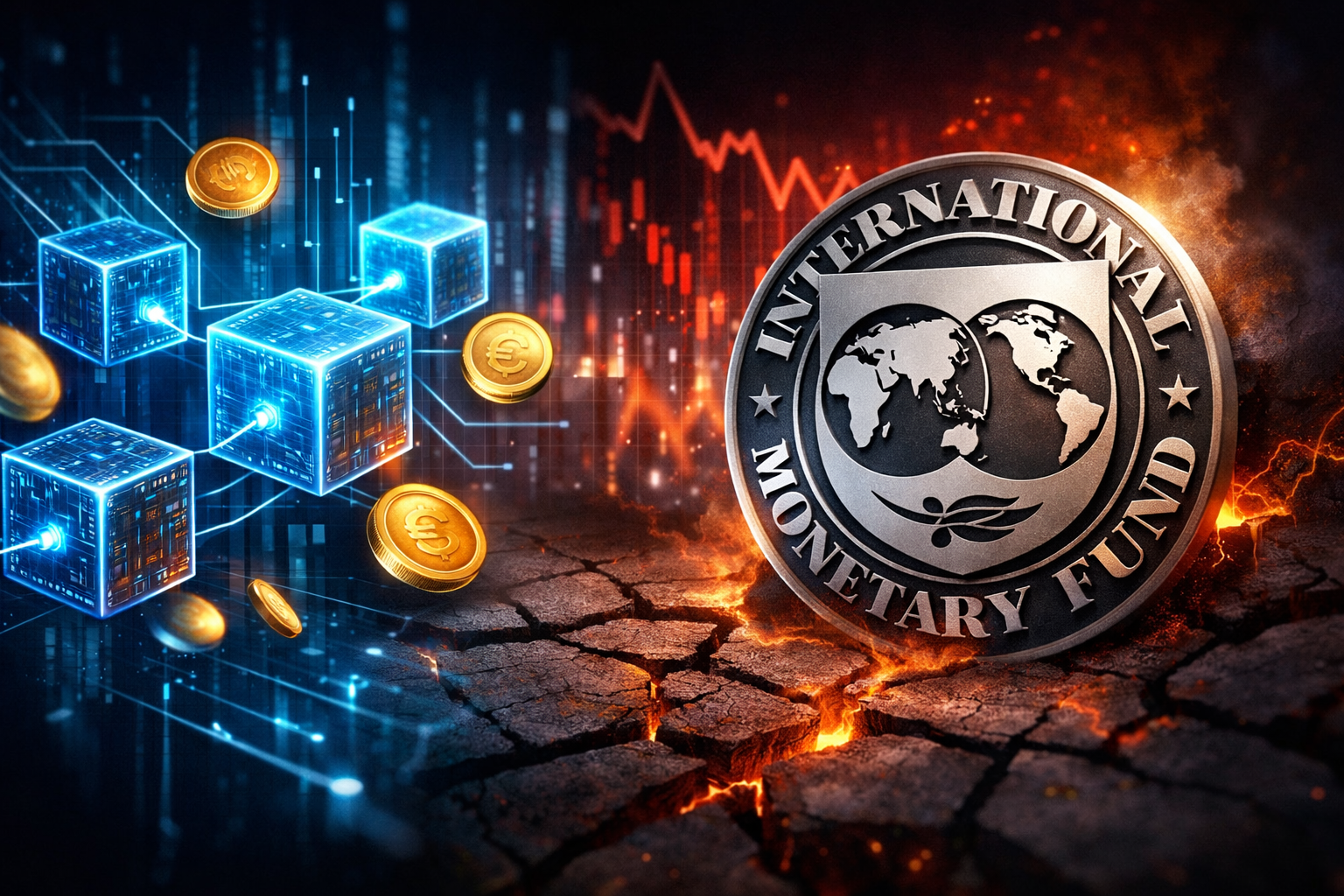
IMF tokenization improves finance but introduces other risks, according to a recent report that highlights both the exciting potential of blockchain and the new challenges it could bring to the global financial system.
How tokenization is reshaping finance
Tokenization is all about turning real-world assets like stocks, bonds, or real estate into digital tokens on a blockchain. According to the IMF, this shift could make financial systems faster, more transparent, and easier to access.
With assets digitized, transactions can happen more quickly and at lower cost. It also allows fractional ownership, meaning more people can invest in high-value assets that were once out of reach.
On top of that, tokenization can speed up settlement times and reduce the need for middlemen, making the entire system more efficient.
IMF tokenization improves finance but introduces other risks for markets
While the upside is clear, the IMF tokenization improves finance but introduces other risks that shouldn’t be overlooked. One big concern is the possibility of new forms of financial instability.
As traditional finance connects more deeply with blockchain systems, risks could spread faster across markets. Cybersecurity threats, technical failures, and liquidity issues may become harder to control.
The IMF also points out that without proper regulation, tokenized systems could create blind spots for regulators, making it tougher to monitor financial activity effectively.
Regulatory and security challenges ahead
A major challenge moving forward is building strong regulatory frameworks. Since tokenized assets often operate across borders, enforcing rules and ensuring compliance becomes more complicated.
Governments and regulators will need to collaborate to create clear guidelines that protect investors while still encouraging innovation. Striking that balance is crucial.
Security is another key concern. As more financial value shifts to digital platforms, the risk of hacking and system vulnerabilities grows. Reliable and secure infrastructure will be essential.
What this means for the future of blockchain
The IMF sees tokenization as a powerful force in the future of finance, but only if the risks are managed properly. It’s not just about adopting new technology, it’s about building systems people can trust.
For blockchain enthusiasts and investors, this presents both opportunity and caution. The potential is huge, but it needs to be matched with strong safeguards and responsible development.
Conclusion:
IMF tokenization improves finance but introduces other risks, showing that innovation must go hand in hand with regulation. As blockchain continues to evolve, managing these risks will be key to shaping the future of global finance. Stay updated for more insights.
👉 Source: https://cointelegraph.com/news/imf-tokenization-improves-finance-but-introduces-other-risks