Key Takeaways
- Tokenization is revolutionizing asset ownership and trading by creating digital tokens for real-world assets.
- Ethereum remains the leading blockchain for tokenization, while Solana and Avalanche are emerging due to their speed and cost efficiency.
- Key factors influencing success in tokenization include scalability, security, regulation, and interoperability among blockchains.
- The competition is intensifying as blockchains strive to become the preferred platform for tokenized assets.
- The future of tokenization will reshape the crypto landscape as networks adapt to innovation and regulatory environments.
Which blockchain has the most to gain from tokenization? As more real-world assets move onto the blockchain, this question is becoming a big deal in the crypto space. From real estate to stocks, tokenization is opening up new possibilities—and some networks are clearly better positioned to take advantage of it.
The rise of real-world asset tokenization
Tokenization is changing how we own and trade assets. By turning physical and financial assets into digital tokens, blockchains make transactions faster, more transparent, and even allow fractional ownership.
This shift is starting to catch serious attention from institutions, which shows it’s no longer just a niche idea. In fact, tokenization is shaping up to be one of the biggest growth areas in crypto right now.
That said, not every blockchain is equally prepared to benefit from this trend.
Which blockchain has the most to gain from tokenization?
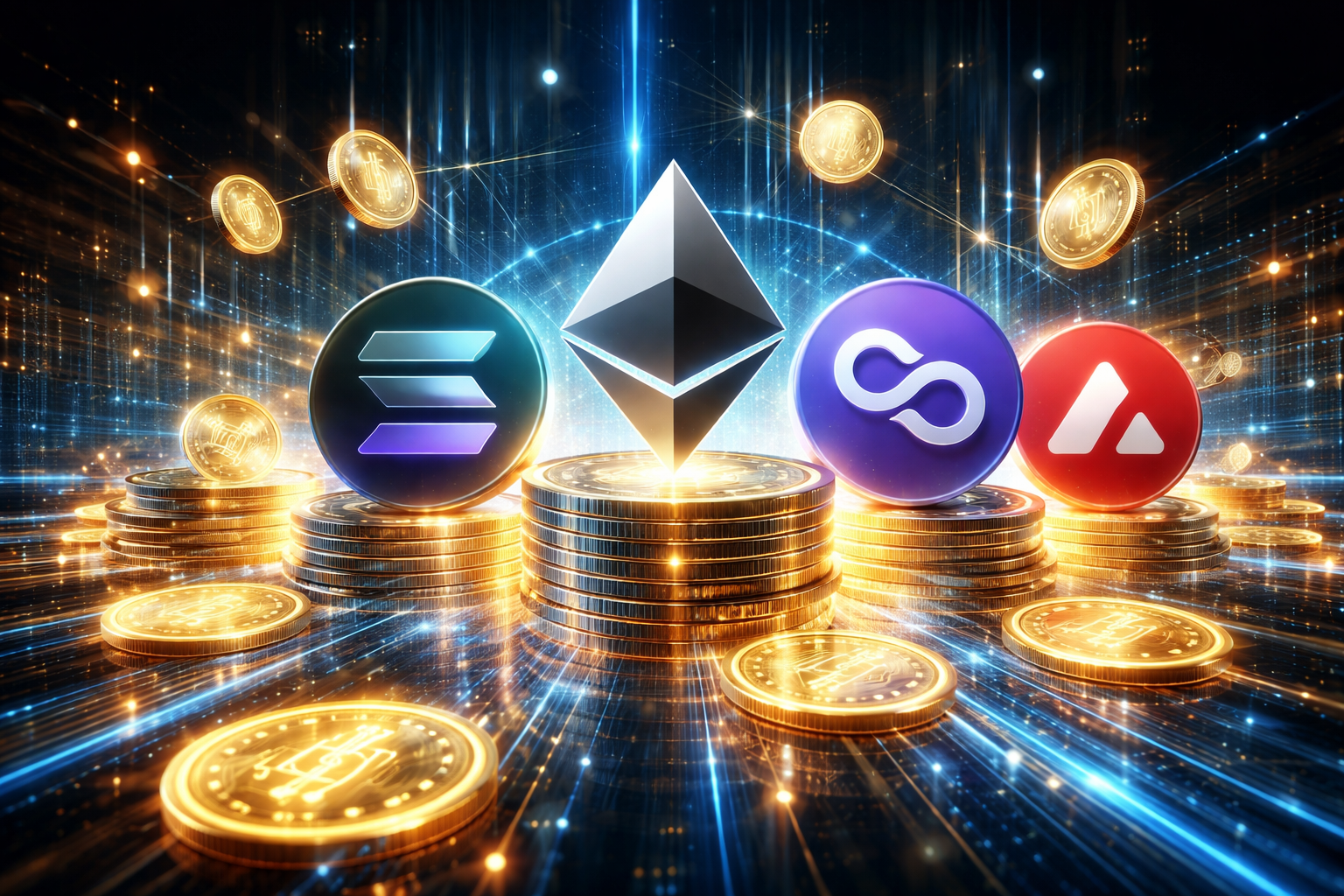
If you’re asking which blockchain has the most to gain from tokenization, Ethereum still leads the pack. Its massive ecosystem, strong developer support, and widespread use make it the default choice for many tokenized projects.
But it’s not alone. Platforms like Solana and Avalanche are gaining traction thanks to faster speeds and lower costs, making them appealing for scaling tokenization.
At the same time, newer blockchains are focusing heavily on compliance and institutional needs. By aligning with regulations, they could become attractive options for governments and big financial players entering the space.
Key factors shaping the winners
So what will decide the winner in the tokenization race? Scalability is a big one—blockchains need to handle large volumes if they want global adoption.
Security and decentralization also matter. Institutions want systems they can trust to protect assets while remaining transparent.
Regulation is another major piece of the puzzle. Networks that can work within legal frameworks will likely attract more serious investment.
And then there’s interoperability, being able to connect different blockchains and move assets between them smoothly is becoming increasingly important.
The future of tokenization in crypto
As tokenization continues to grow, competition between blockchains is heating up. Every network is trying to position itself as the go-to platform for digital assets.
Ethereum may have the early lead, but things can change quickly. The combination of innovation, regulation, and real-world adoption will ultimately decide which blockchain comes out on top.
Conclusion:
Which blockchain has the most to gain from tokenization? It’s still an open question. But one thing is certain, tokenization is set to reshape the crypto industry in a big way. Stay tuned as this space continues to evolve.
👉 Source: https://nftnewstoday.com/2026/03/30/which-blockchain-has-the-most-to-gain-from-tokenization